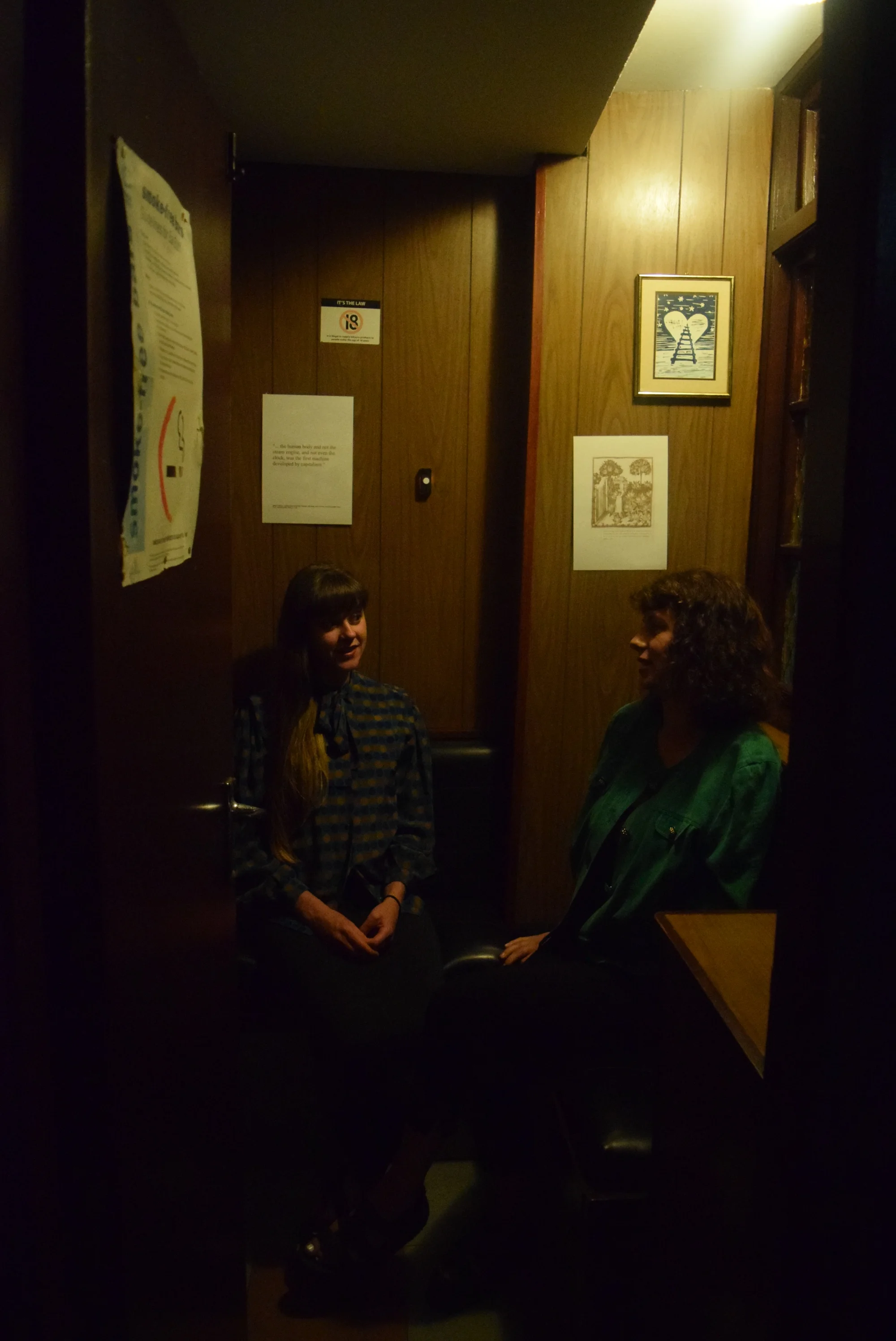
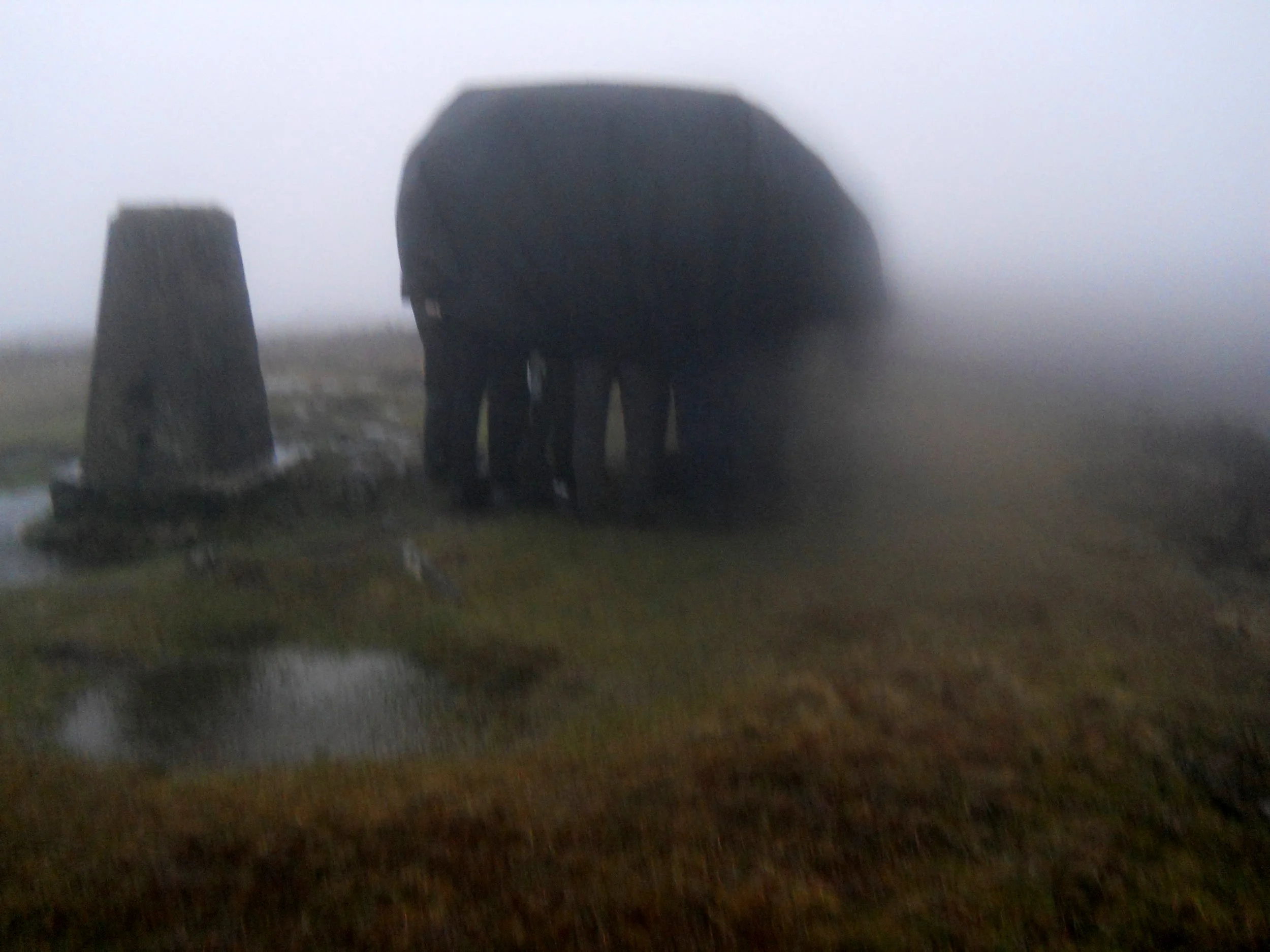
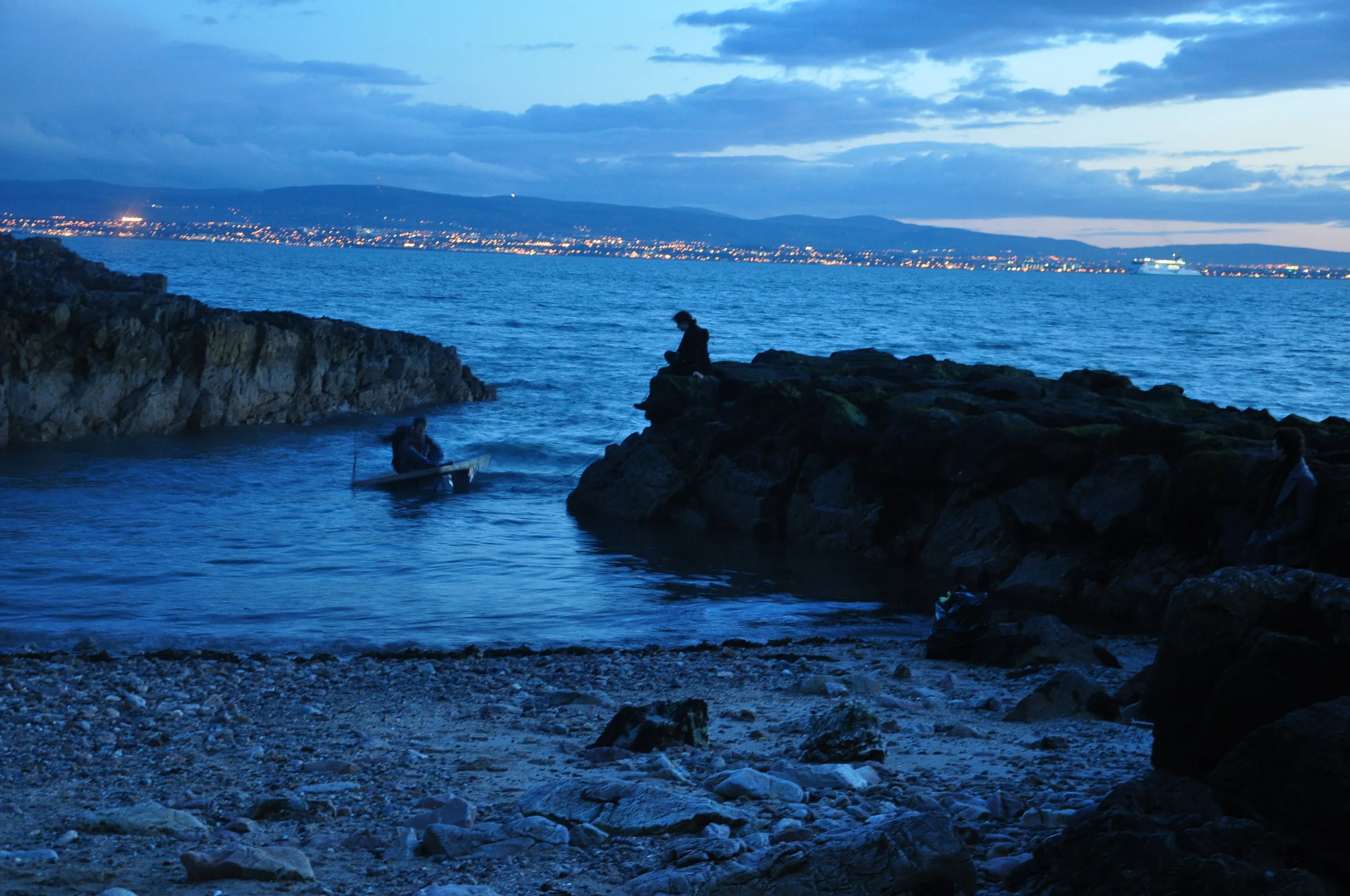
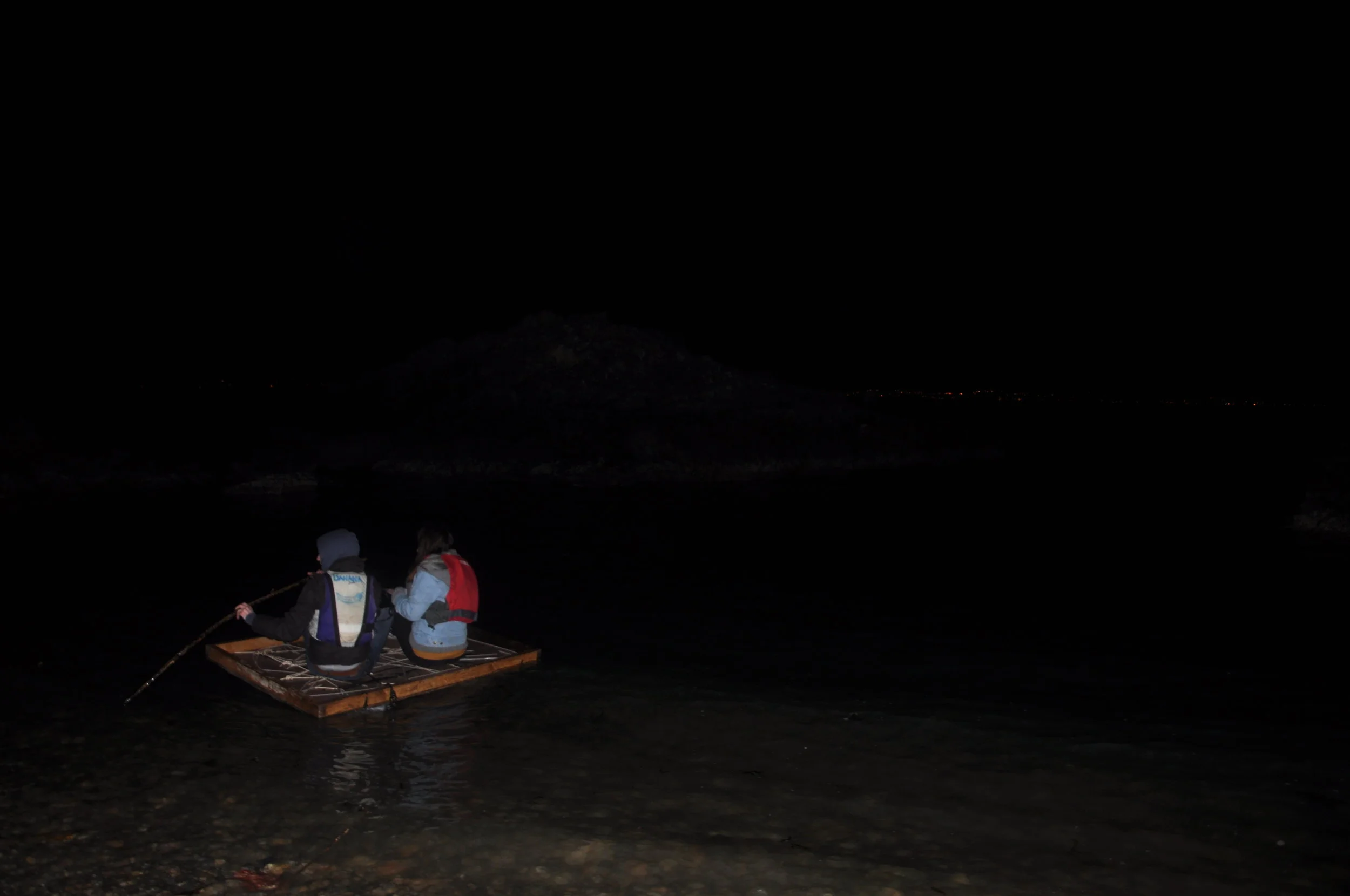
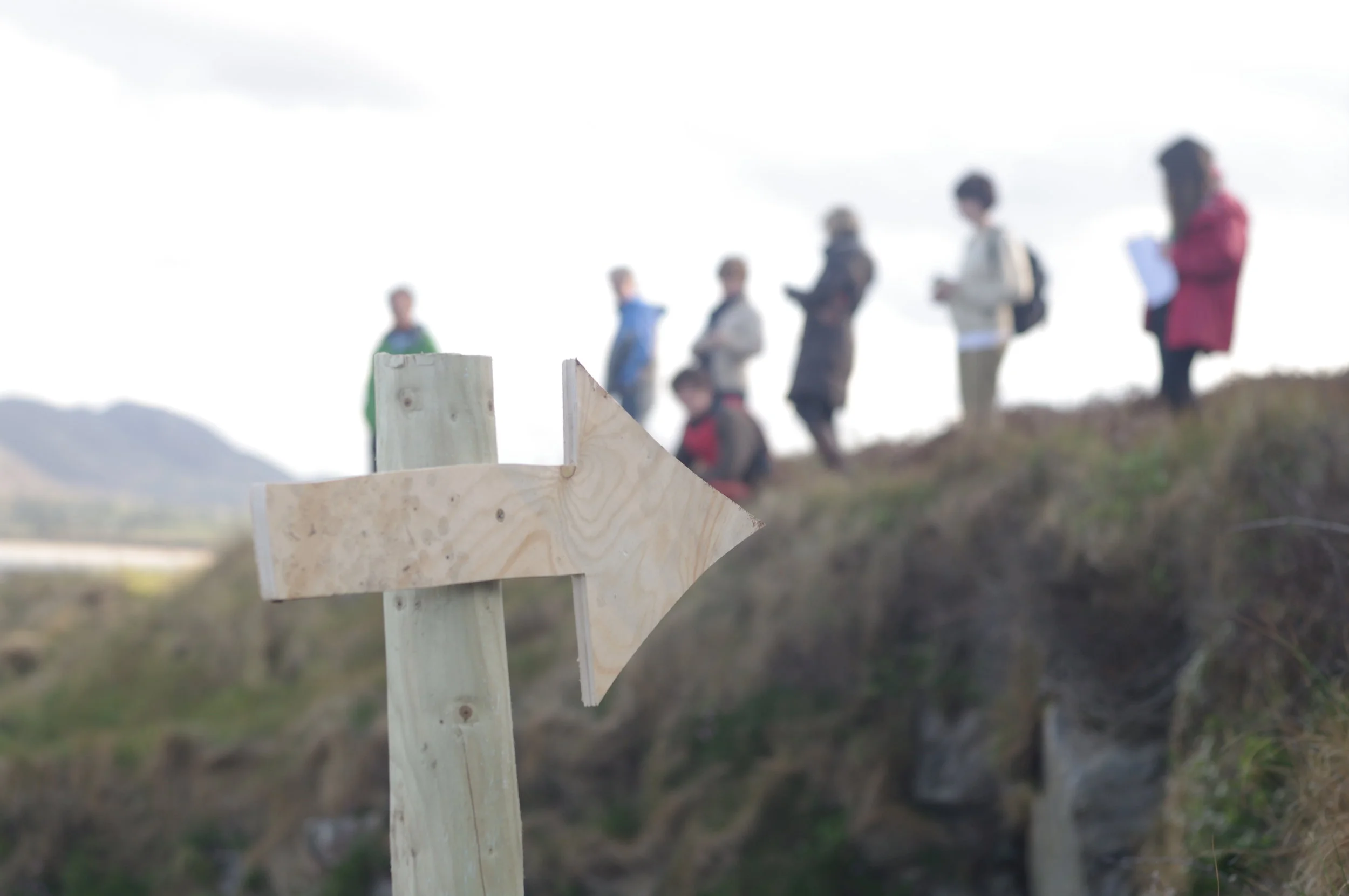
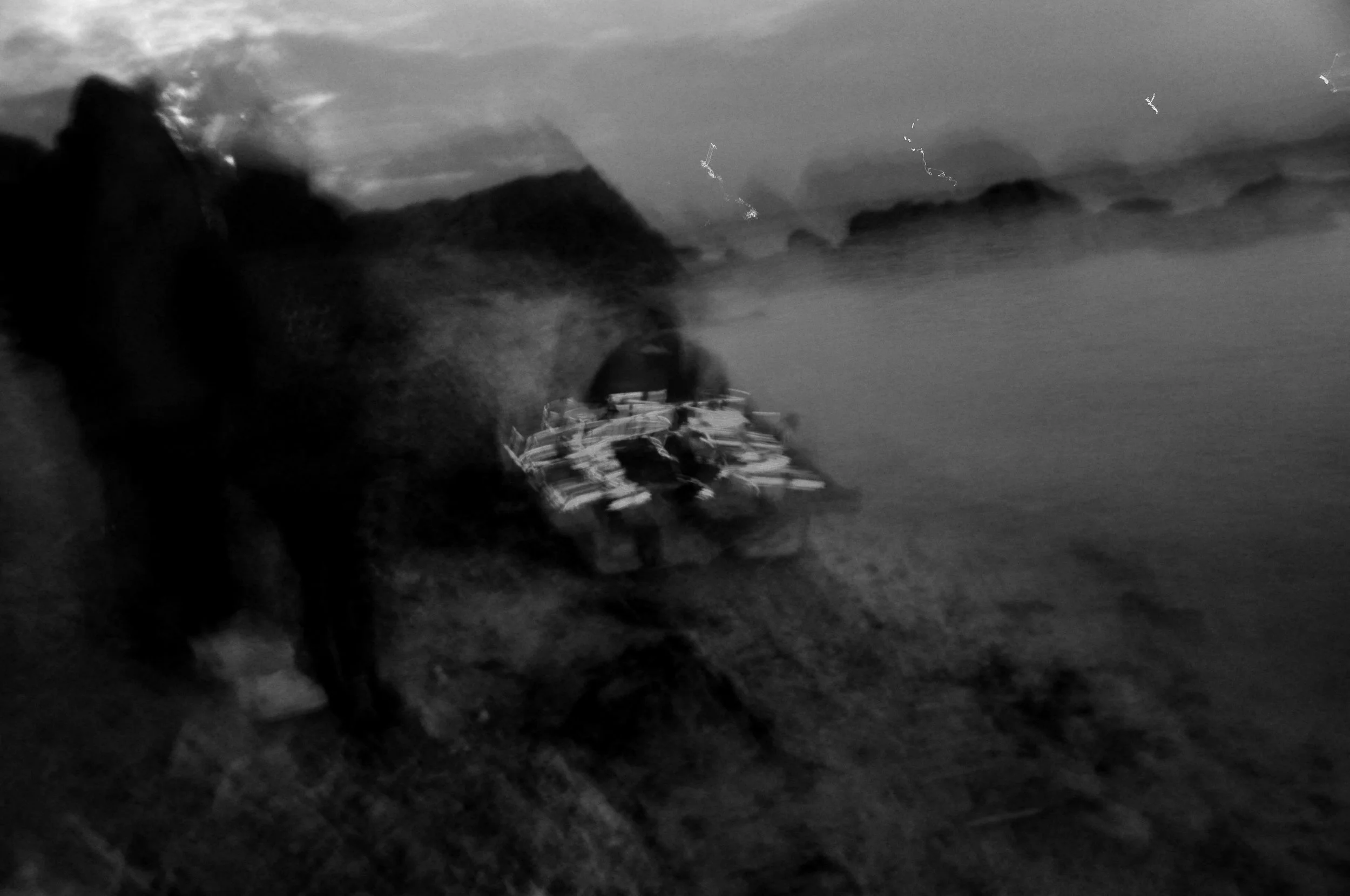
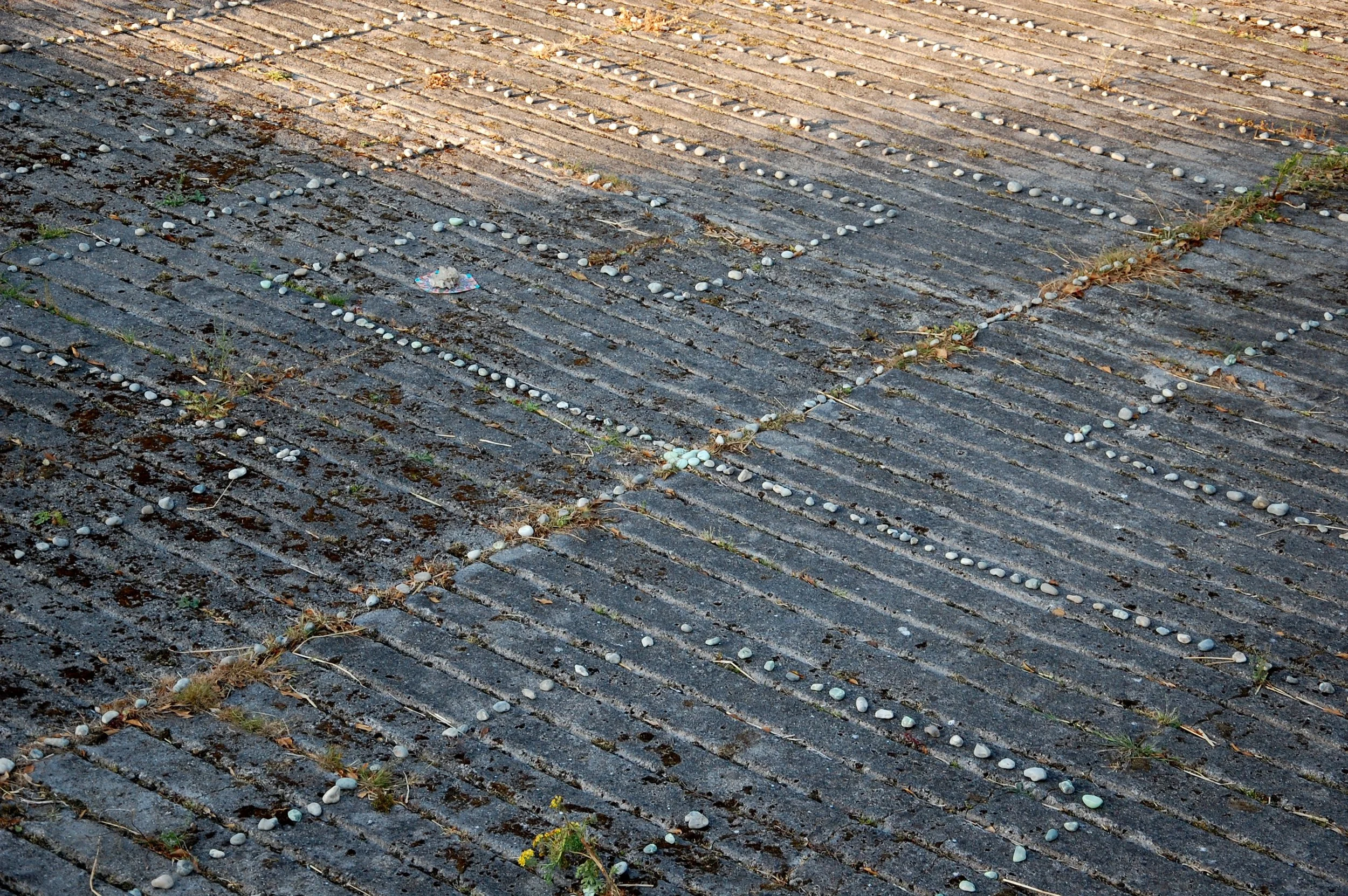
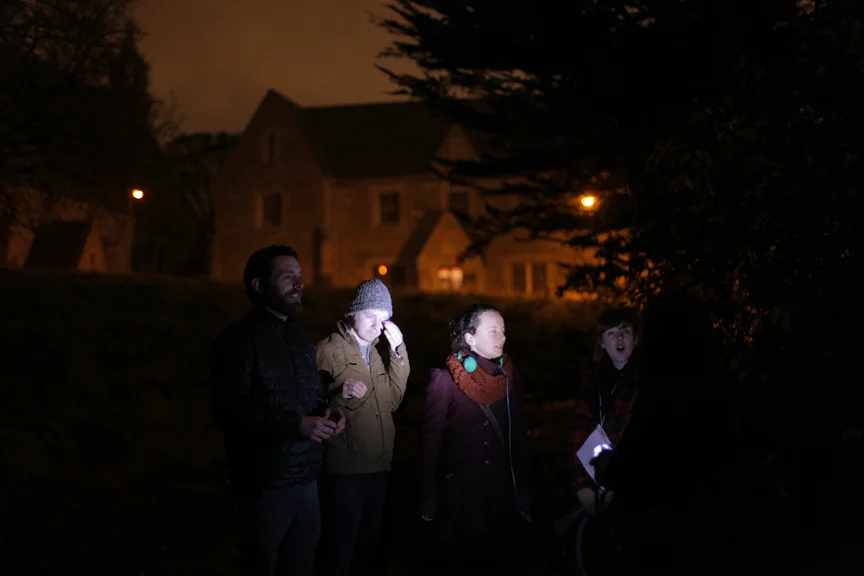
offsite gathering at Black Mountain, Belfast
Valentine’s Day 2014
and digital radio station
as part of An Active Encounter,
curated by Ciara Hickey
—
additional texts
—
An Active Encounter at PS² Belfast combined events, interventions and discussions around Tamás St. Turba's Czechoslovakia Radio 1968. A brick/radio was made onsite by the artist, and hung in the gallery, illuminated and visible through its shopfront windows for 24 hours a day during the project. The work consists of a red building brick with chalk markings denoting the dials of a radio. When former Czechoslovakia was invaded by the Soviet army in 1968, people resisted through creative means. After people were forbidden to listen to radio broadcasts, they started attaching antennas to bricks as a sign of protest. These fake radios spread among the population who pretended to listen to them, and although they were useless as a communication device, they were continuously confiscated by the Russian Army.
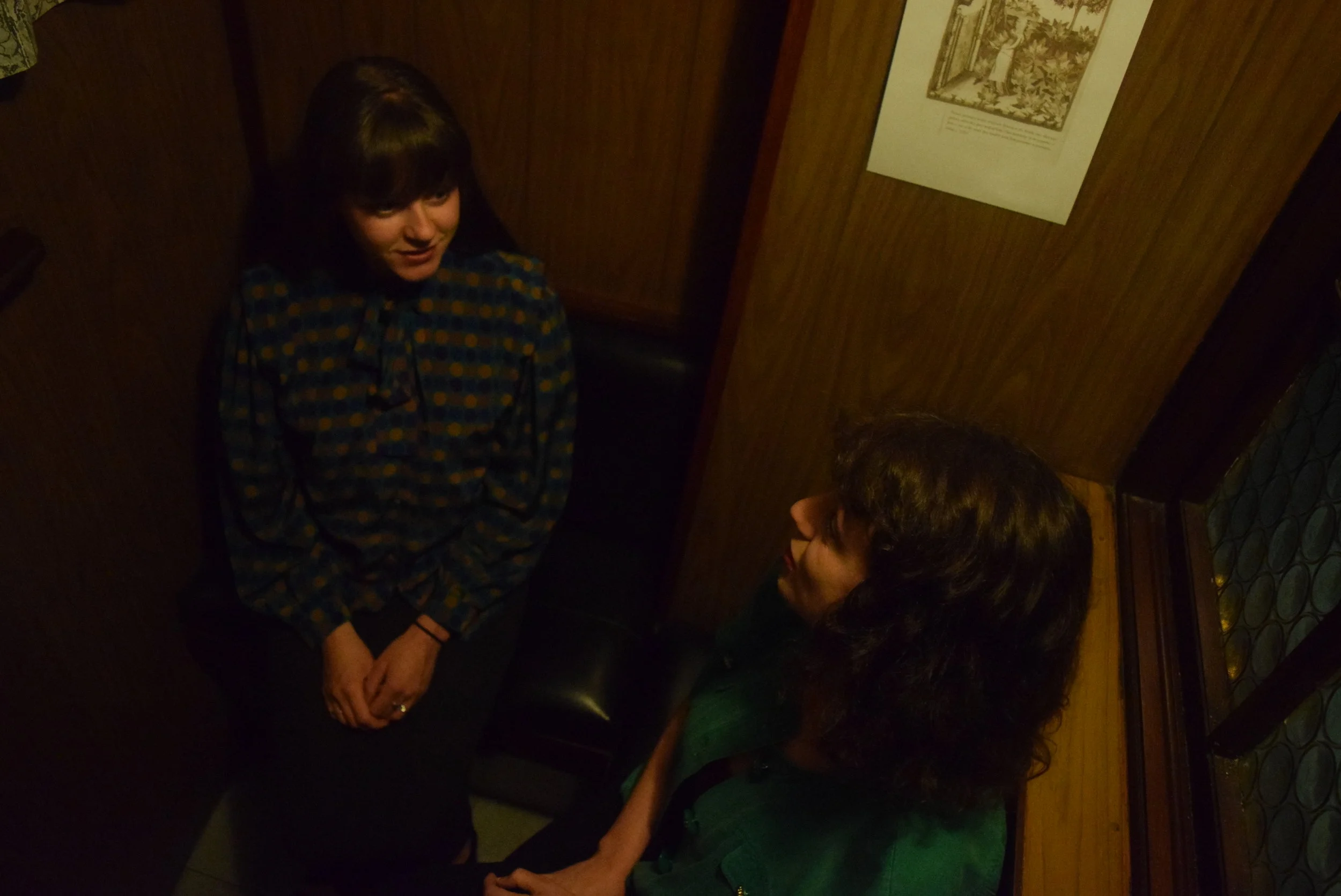
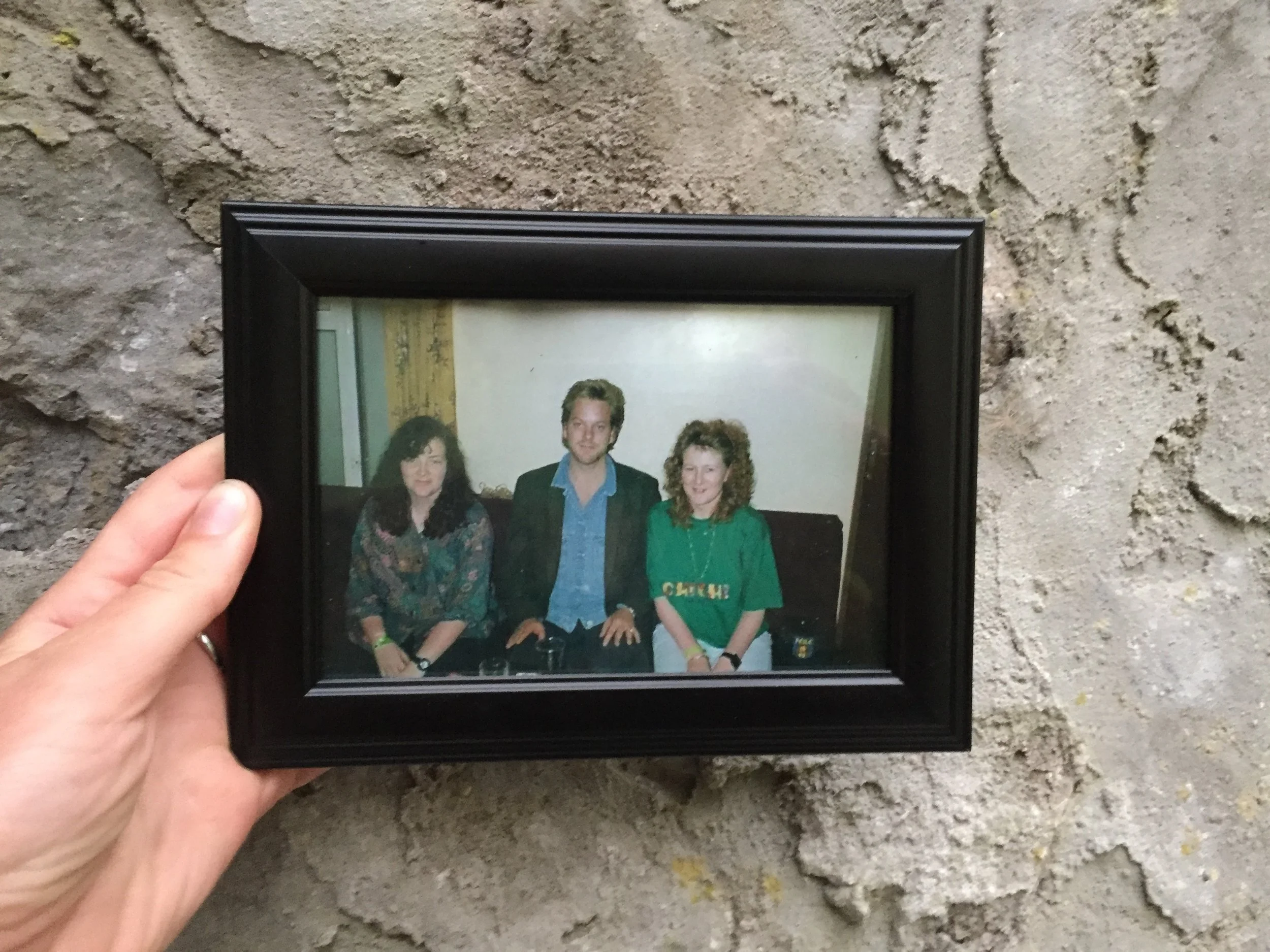
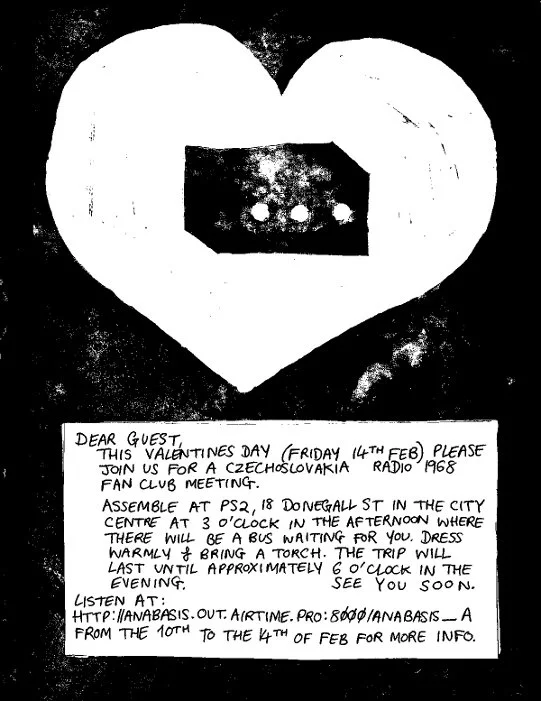
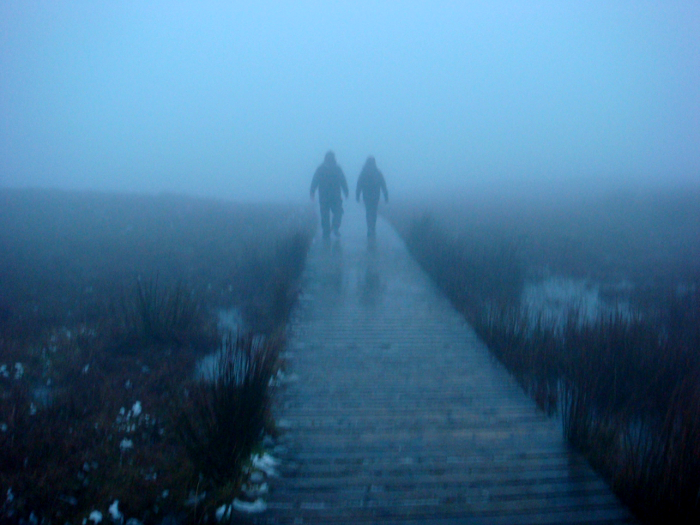
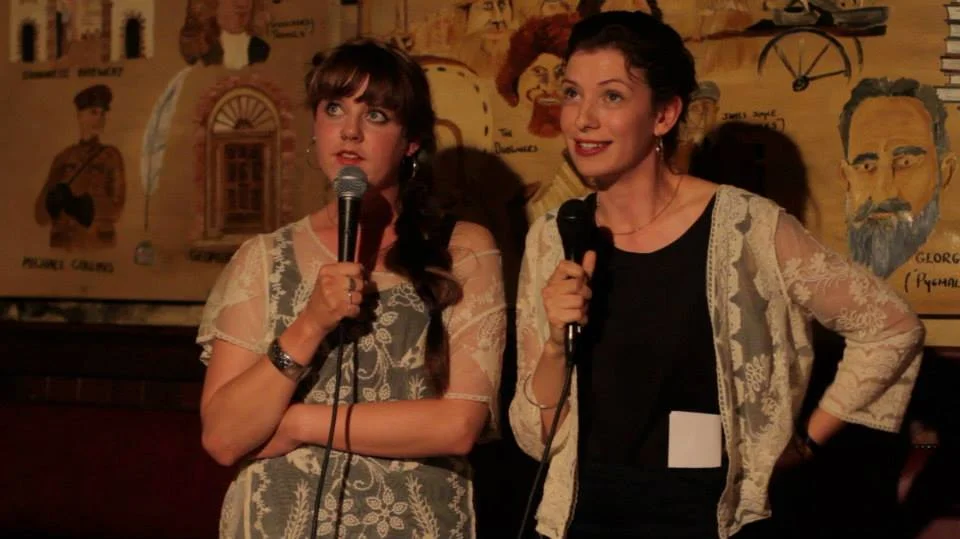
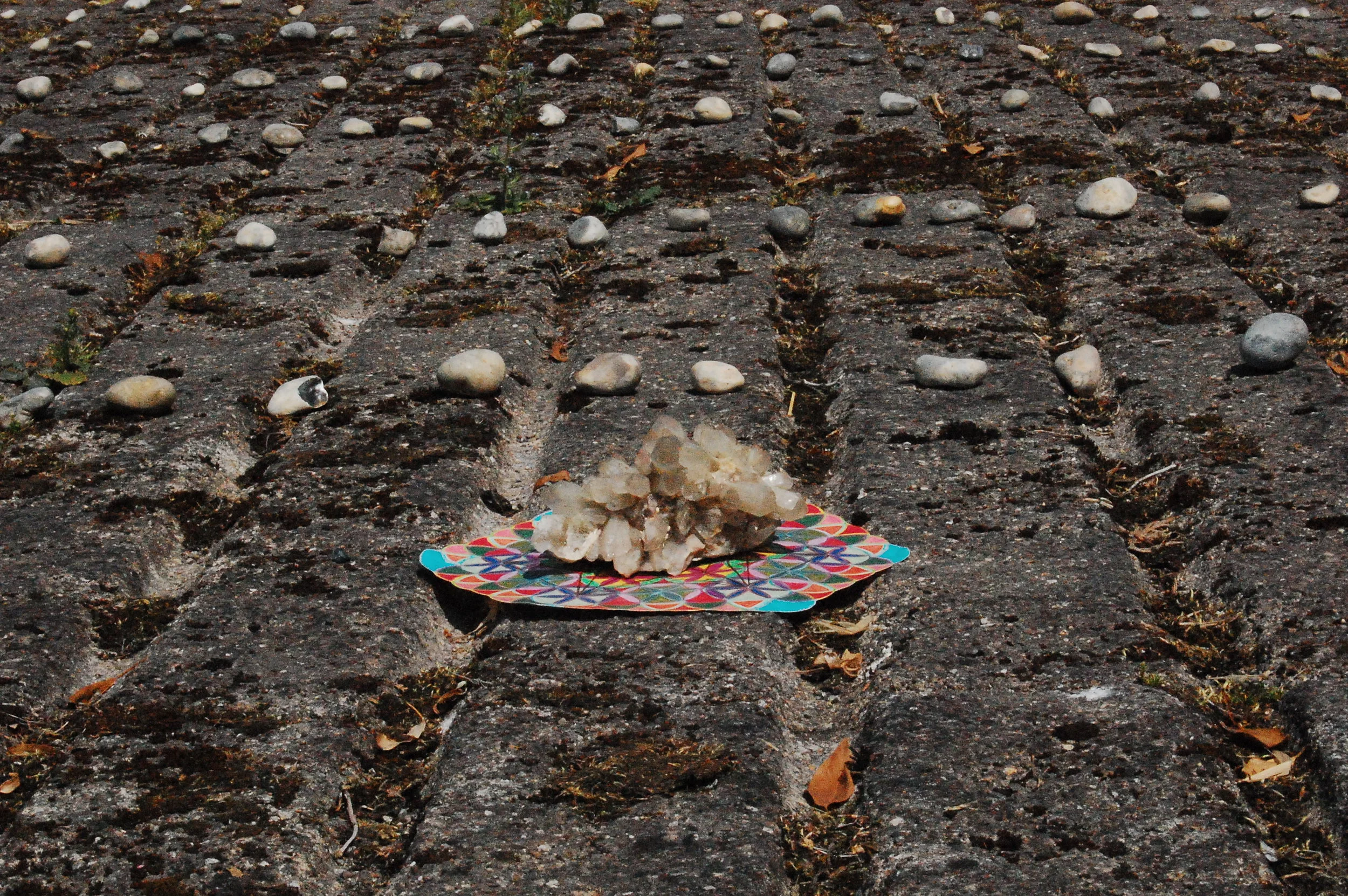
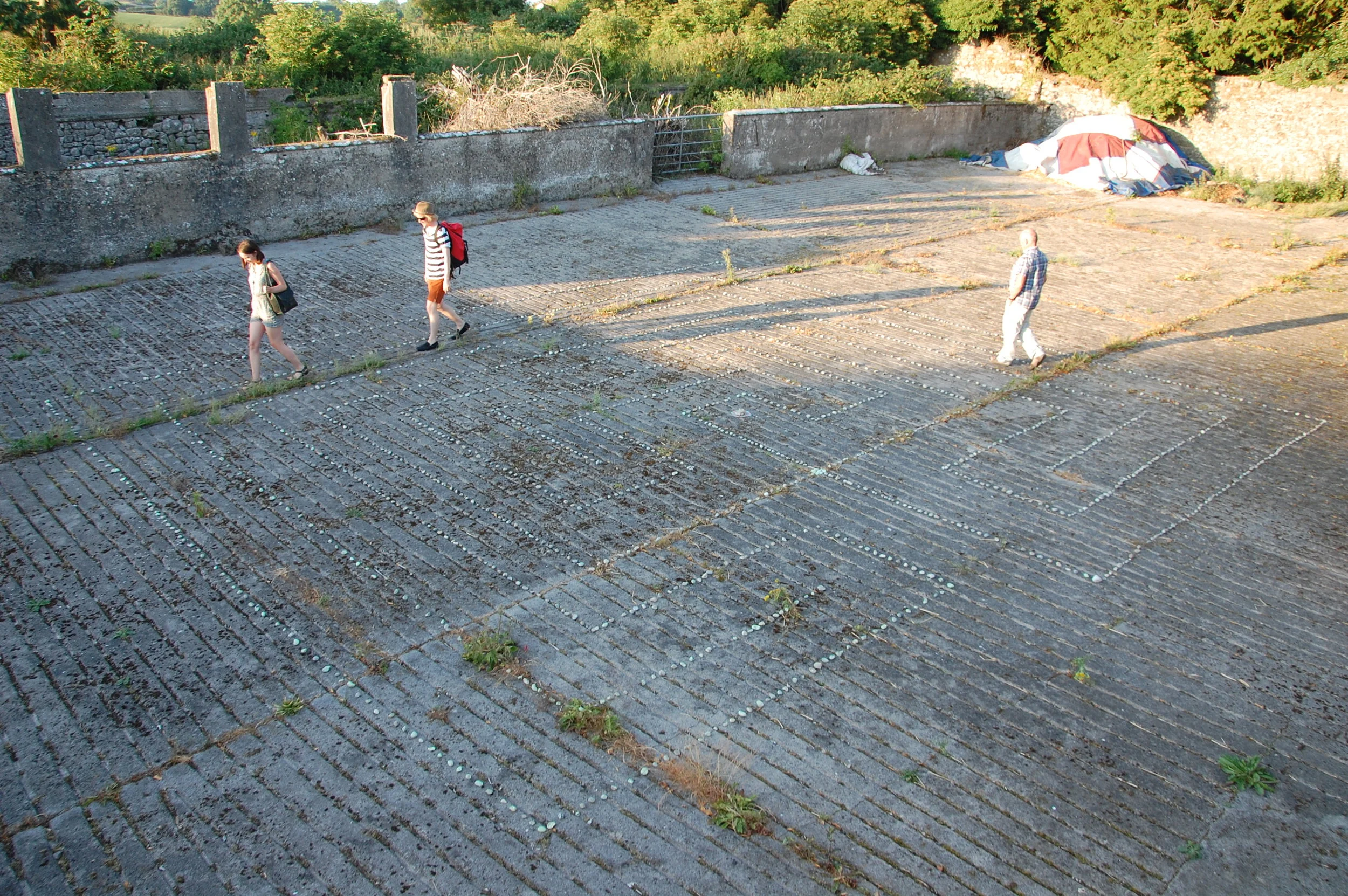
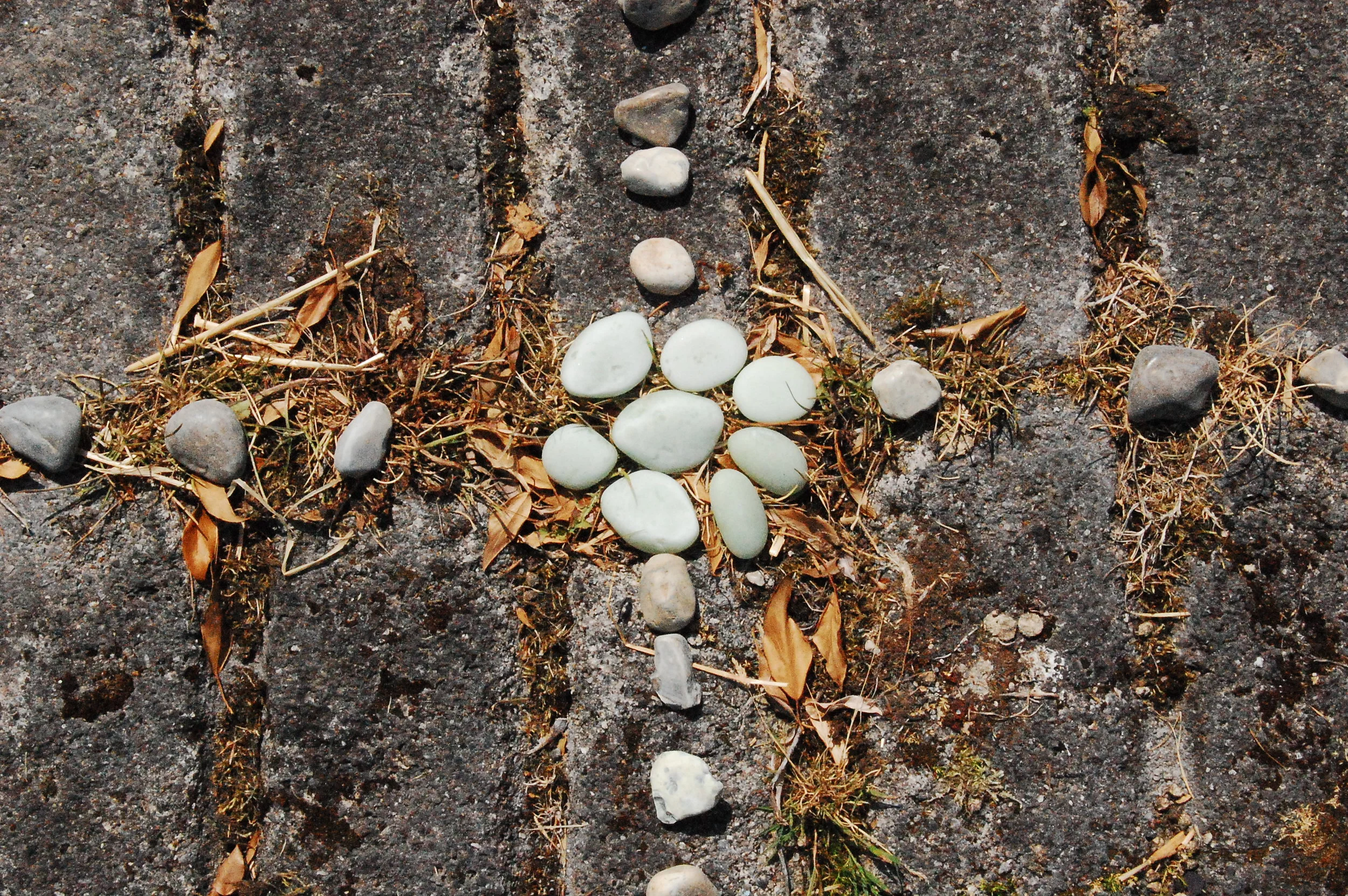
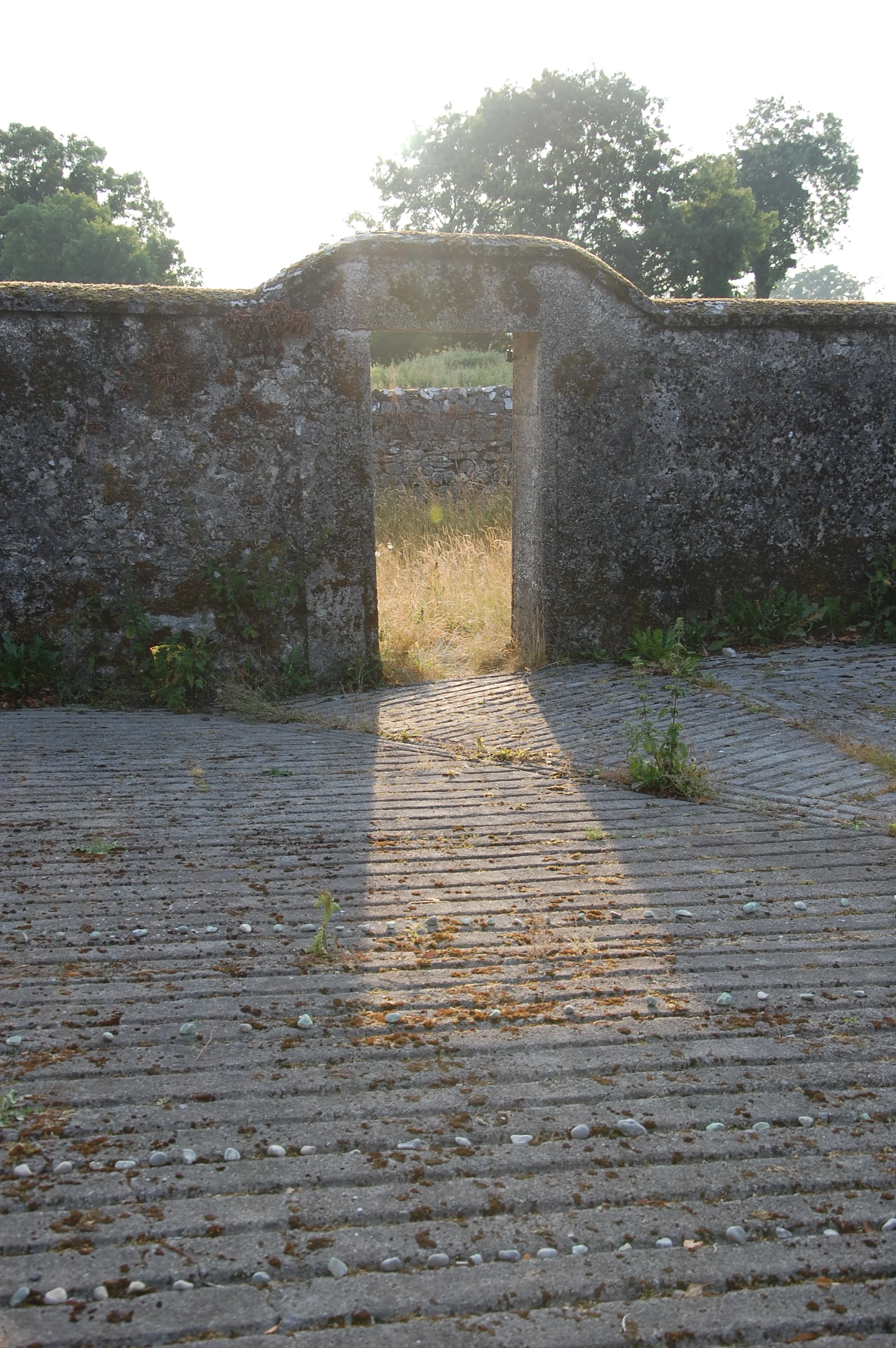
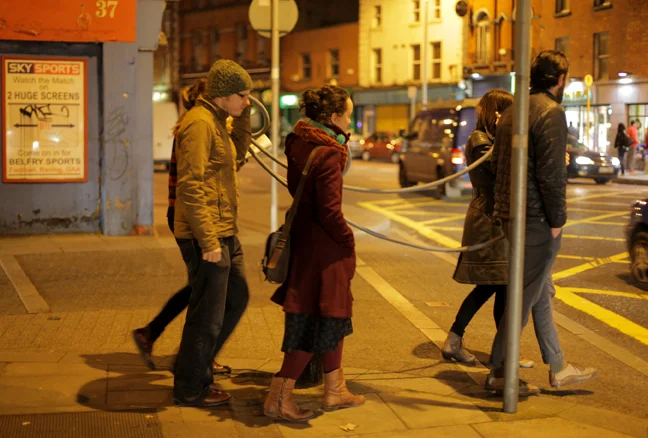
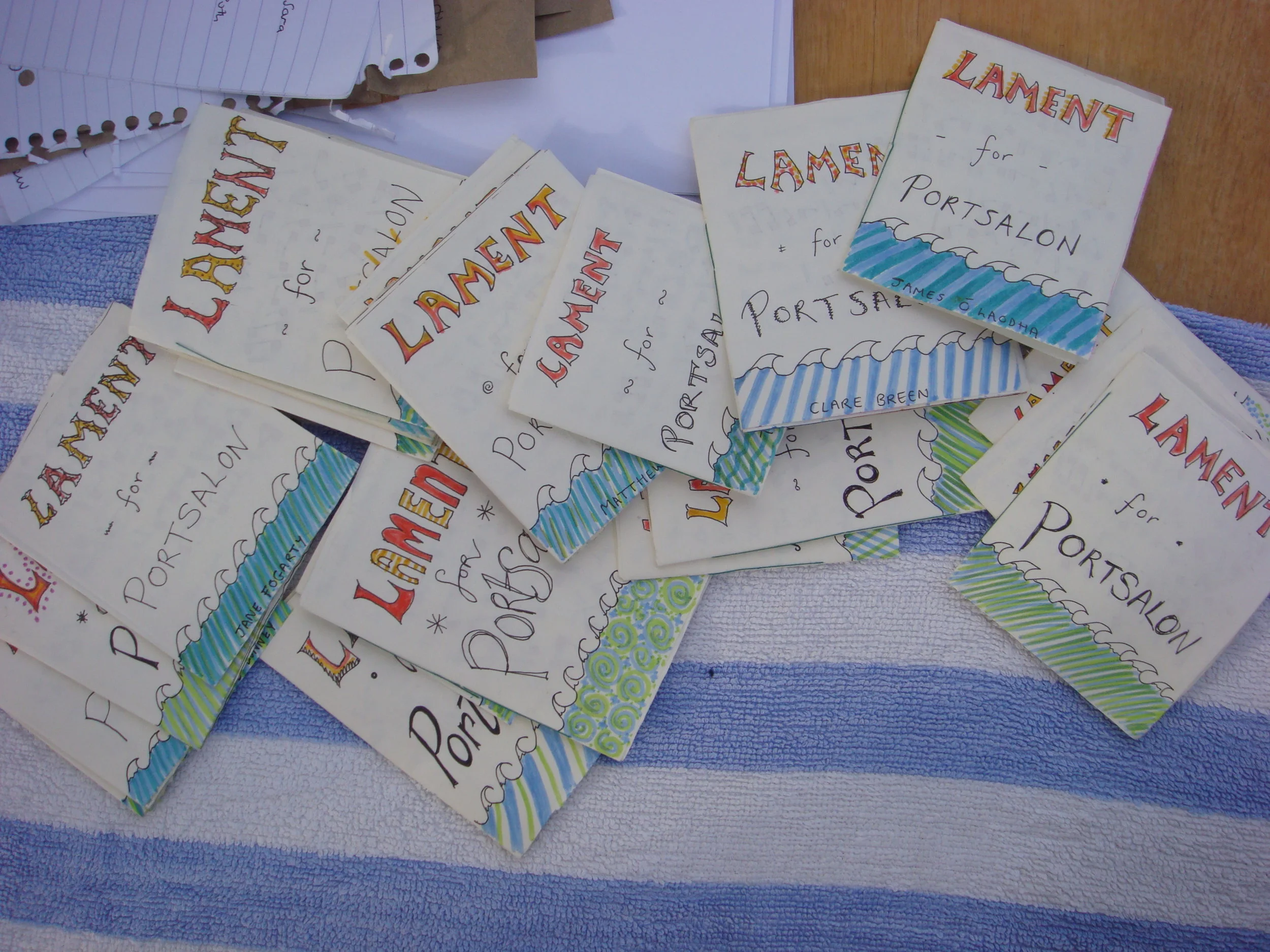
While in Belfast, we experimented in raising both conscious and subconscious awareness of the brick/radio installed at PS² through tactics of disorientation, interference, listening, clue-placement, allusion, misdirection and ‘going widdershins’. The work culminated in a Czechoslovakia Radio 1968 fan club meeting which took place on Valentine’s day, starting at the gallery and travelling by bus to a secret location, where we gathered under a sheet of black felt and ate ‘brick cake’ while sharing stories. We also ran an internet radio station exploring our meditations and research on the brick/radio through readings, noise music, storytelling and archival recordings. Research material was presented by a range of voices, from north and south of the border, including the following music and texts:
Samuel Beckett's Text for Nothing #8 (1950-52); Baltic Revolution folk and pop songs from 1980s Latvia, Lithuania and Estonia; mvestle and Ellll, noise music from Cork; the International Parallel Union of Telecommunications Manifesto (Hungary, 1968); Timothy Leary's 1973 Starseed Communication; Henry Flynt's 1980s experimental music; Michel Serres' Parasite parables (1980); the theory of the refrain from A Thousand Plateaus (Deleuze & Guattari, 1980); Robert Smithson's 1968 Theory of Nonsites; Nikola Tesla's 1900 Problem of Increasing Human Energy; chapter 2 of The Little Prince by Antoine de Saint-Exupéry, 1943; George Orwell's 1984 radio adaptation (1953); 1970s fluxus letters from Ray Johnson; Emma Goldman in Mother Earth magazine, 1906; the Ancient Greek Katabasis myth, and John Cage's short stories as well as his 1961 Lecture on Silence and 1967 A Year From Monday.
The earnest attention directed by the citizens of Prague towards the brick radios they made according to Tamás St. Turba’s later instruction: ‘cover a brick in newspaper and listen to it on the street’, bestowed these mute devices with a powerful recalcitrance as protest objects, their withdrawn silence becoming like a shared code amongst listeners. However, the radio brick is a potent entity independently of this energy invested in it. It seems to hover between two states, not-quite-brick and not-quite-radio; sometimes an ex-brick turned radio and sometimes a brick which, once decommissioned, has only a dim memory of being a radio, its sulphurous markings the only trace of its former existence. This mysterious dimension reflects perhaps the strange space opened up by metaphor and allusion in which things bump against each other, hinting at their remote realities.
The shuttling back and forth between brick/radio and radio/brick causes it to become ontologically destabilised as well as estranged from the world and itself. And, as an artwork it demonstrates a moment in which, through the contemplation of an object, the world becomes unfamiliar; somehow resistant yet emitting enough faint noise to keep us listening.